Cultural Etiquette in Egypt: What Every Traveler Should Know
A Complete Cultural Guide by Narmer Tours
Egypt is a land of extraordinary contrasts—ancient temples standing beside lively modern cities, timeless traditions woven into everyday life, and legendary hospitality that leaves a lasting impression on every visitor. While Egypt’s historical landmarks and natural beauty captivate travelers from around the world, understanding local customs and cultural etiquette is essential for a smooth, respectful, and truly enriching journey.
At Narmer Tours, we believe that meaningful travel goes beyond sightseeing. It is about cultural connection, mutual respect, and engaging with local communities in a thoughtful way. This comprehensive guide will help you navigate Egyptian customs with confidence, ensuring a warm welcome wherever your journey takes you.
Greetings and Social Interactions in Egypt
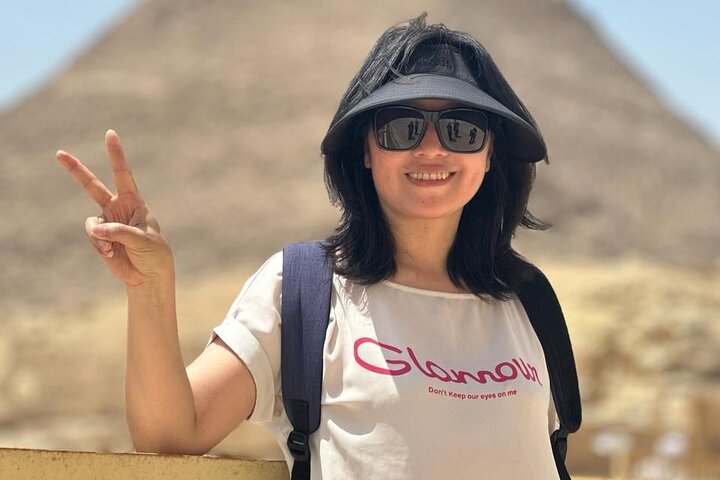
Egyptians are known for their warmth, friendliness, and genuine hospitality. Greetings play an important role in daily interactions and are often accompanied by kind words and polite inquiries about one’s health and well-being.
A handshake is the most common form of greeting, typically exchanged between men or between women. When greeting someone, a smile and eye contact convey respect and openness. You may also notice that some Egyptians place their hand over their heart after a handshake, a gesture symbolizing sincerity and goodwill.
Interactions between men and women can be more formal, particularly in traditional settings. Male travelers should wait for a woman to extend her hand first, as some women prefer not to engage in physical contact with men outside their family. This gesture of patience is appreciated and seen as respectful.
Common Arabic greetings such as “As-salaam alaykum” (peace be upon you) and the response “Wa alaykum as-salam” are widely used. Learning a few basic Arabic phrases can significantly enhance your interactions and create instant rapport with locals.
Dress Code and Modesty
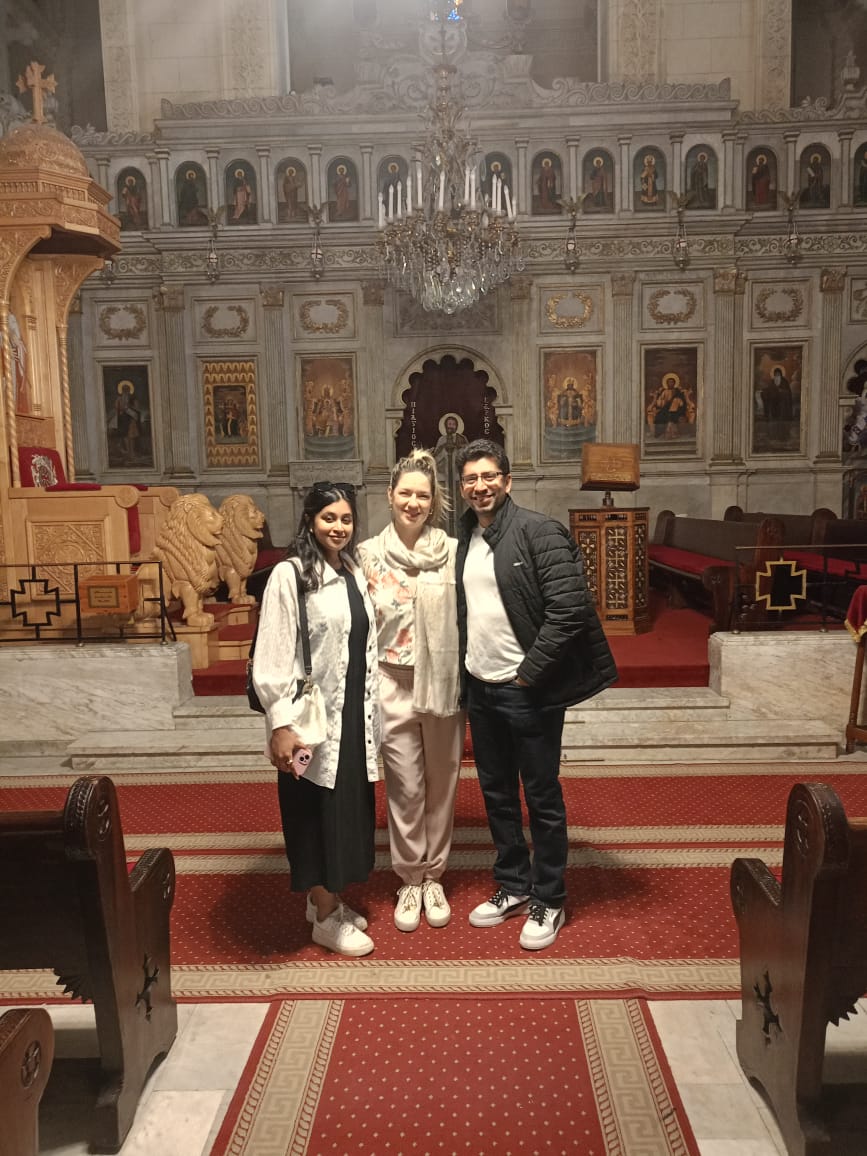
Although Egypt is culturally diverse and modern in many aspects, modest dress remains an important part of social etiquette, especially in rural areas and religious sites.
Women are encouraged to wear clothing that covers the shoulders and knees, while men should avoid shorts and sleeveless tops in conservative areas. Long trousers and shirts with sleeves are suitable for both genders when visiting mosques, churches, and historical sites.
In major cities such as Cairo and Alexandria, the dress code is more relaxed, particularly in hotels and tourist areas. However, dressing modestly is always appreciated and reflects cultural awareness. Carrying a light scarf is recommended, especially for women, as it can be useful when entering religious sites.
Visiting Mosques and Religious Sites
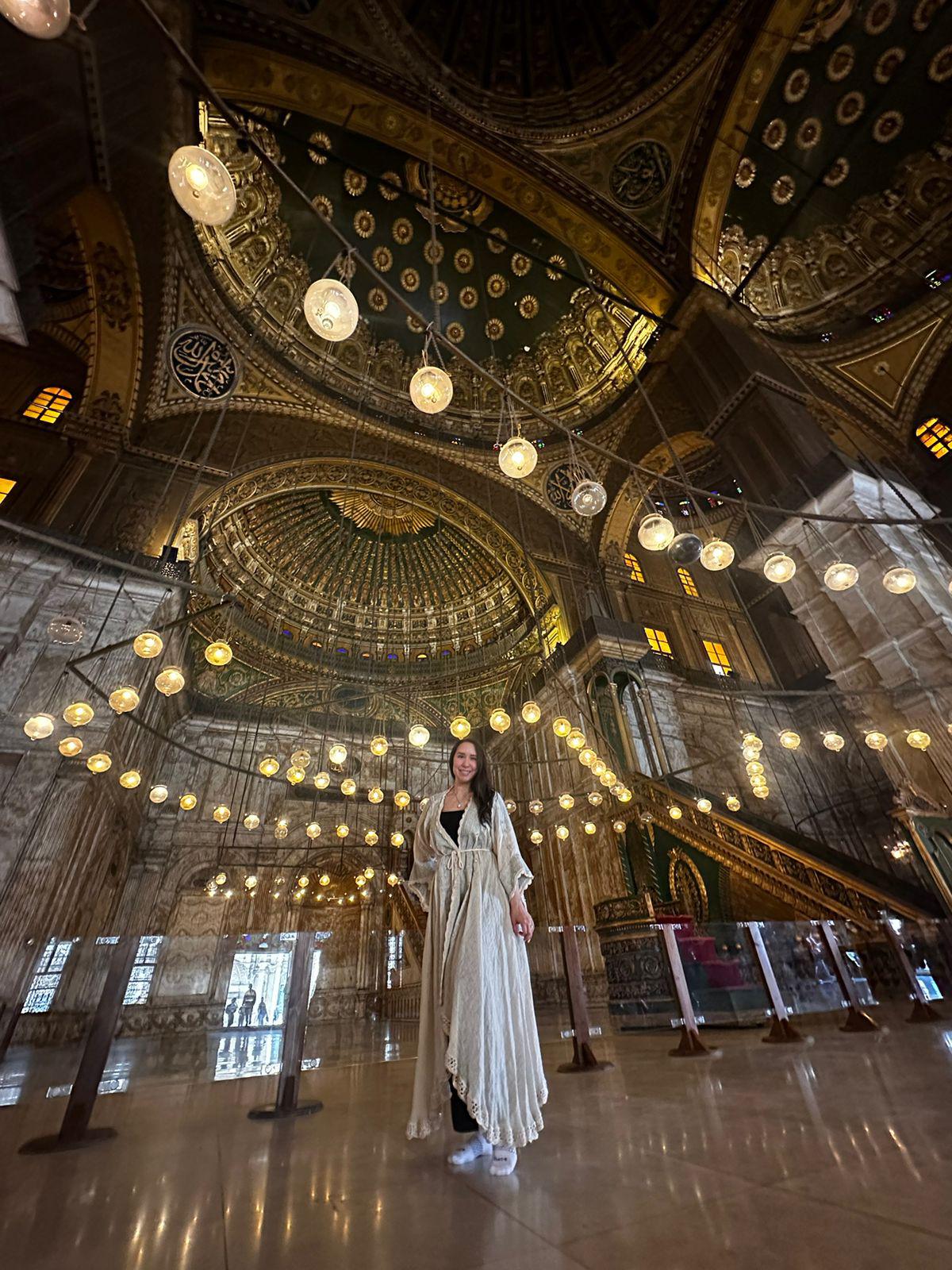
Egypt is home to some of the most magnificent religious landmarks in the world, including historic mosques, churches, and Islamic universities such as Al-Azhar. When visiting these sacred places, respectful behavior is essential.
Visitors are required to remove their shoes before entering mosques, so wearing easily removable footwear is practical. Conservative clothing is mandatory, and women may be asked to cover their hair inside mosques.
Silence and calm behavior are expected, particularly during prayer times. Some areas within religious sites may be restricted to worshippers, and visitors should always follow posted signs or instructions from staff.
Tipping Culture in Egypt (Baksheesh)
Tipping, known locally as baksheesh, is deeply rooted in Egyptian culture and is considered a customary expression of appreciation rather than an obligation. You will encounter tipping in many situations, including restaurants, hotels, guided tours, and even small services such as restroom attendants.
In restaurants, a tip of 10–15% is standard, while smaller tips are appreciated for services like luggage handling or assistance. Keeping small bills and coins on hand is highly recommended, as many service workers rely on tips as part of their income.
Understanding and respecting this practice contributes to smoother interactions and reflects cultural awareness.
Public Behavior and Displays of Affection
Egyptian society values modesty, particularly in public spaces. While friendliness and warmth are common, public displays of affection such as kissing, hugging, or holding hands are generally discouraged, even for married couples.
Maintaining modest behavior in public helps avoid unwanted attention and ensures respectful interaction with local communities. Adapting to this social norm is seen as a sign of cultural sensitivity.
Shopping, Markets, and Bargaining
Exploring traditional markets, or souks, is an unforgettable part of any Egyptian journey. These vibrant spaces are filled with spices, textiles, handmade crafts, and souvenirs—and bargaining is a natural and expected part of the experience.
Negotiation is conducted in a friendly and light-hearted manner. Vendors often start with higher prices, anticipating bargaining. Travelers are encouraged to negotiate politely, remain respectful, and enjoy the interaction. Walking away is acceptable if the price does not meet your expectations.
Purchasing locally made crafts not only provides authentic souvenirs but also supports local artisans and communities.
Photography Etiquette
Egypt offers endless photo opportunities, from ancient monuments to lively street scenes. However, respectful photography is essential.
Always ask permission before photographing people, especially women and children. In some locations—such as military areas, government buildings, or certain religious sites—photography may be restricted or prohibited. Observing signs and respecting local guidance helps avoid misunderstandings.
Cultural Awareness During Ramadan
Traveling to Egypt during Ramadan, the holy month of fasting, offers a unique cultural perspective. During daylight hours, Muslims refrain from eating, drinking, and smoking. While tourists are not required to fast, it is respectful to avoid consuming food or drinks in public during the day.
Many restaurants continue serving tourists, though some may operate with limited hours. Life in Egypt slows during the day and becomes lively in the evening when families gather to break the fast. Travelers should plan accordingly and embrace the special atmosphere of this sacred month.
Language, Body Language, and Communication
Learning a few Arabic expressions such as “Shukran” (thank you) and “Min fadlak” (please) can greatly enhance communication. Egyptians appreciate any effort to speak their language.
Body language also matters. Avoid showing the soles of your shoes, pointing excessively, or using the left hand when offering or receiving items, as these gestures may be considered impolite.
Conclusion: Traveling Egypt with Respect and Confidence
Understanding cultural etiquette in Egypt transforms your trip into a richer, more meaningful experience. From respectful greetings and appropriate dress to mindful behavior in religious sites and public spaces, these cultural insights help travelers connect deeply with the country and its people.
At Narmer Tours, we are committed to providing journeys that go beyond sightseeing—offering cultural understanding, comfort, and authentic experiences. By embracing Egypt’s traditions and values, you will be rewarded with genuine hospitality and unforgettable memories.
Ready to experience Egypt with confidence and cultural awareness?
Let Narmer Tours guide you through the timeless beauty of Egypt.
Book your Experience now:
🌐 Official Website
📧 info@narmertours.com
📞 WhatsApp:(+20) 01210136814
📱 Facebook | Instagram | TripAdvisor