Ancient Egyptian Wine: New Discovery Reveals How Wine Was Produced in Memphis
A New Look at Wine Production in Ancient Egypt
Ancient Egypt is famous for its pyramids, temples and pharaohs, but a new archaeological discovery is revealing another fascinating part of everyday life in the ancient civilization: wine production.
Recent archaeological research around the ancient city of Memphis has provided new evidence about how Egyptians produced, stored and used wine thousands of years ago. The discovery offers a fascinating insight into the technology, agriculture and religious traditions surrounding ancient Egyptian wine.
For travelers interested in history, archaeology and Egyptian civilization, the discovery adds another intriguing reason to explore the ancient Memphis region and nearby archaeological sites such as Saqqara.
Memphis: The Ancient Capital Behind the Discovery
Memphis was one of the most important cities in ancient Egypt and served as a major political and religious center for much of Egyptian history.
Located south of modern Cairo, the ancient Memphis area was surrounded by fertile agricultural land. The region's connection to the Nile made it suitable for growing crops, including grapes used in wine production.
Archaeological evidence from the Memphis area helps researchers reconstruct how ancient Egyptians transformed agricultural products into beverages used by royal households, temples and wealthy members of society.
How Did Ancient Egyptians Make Wine?
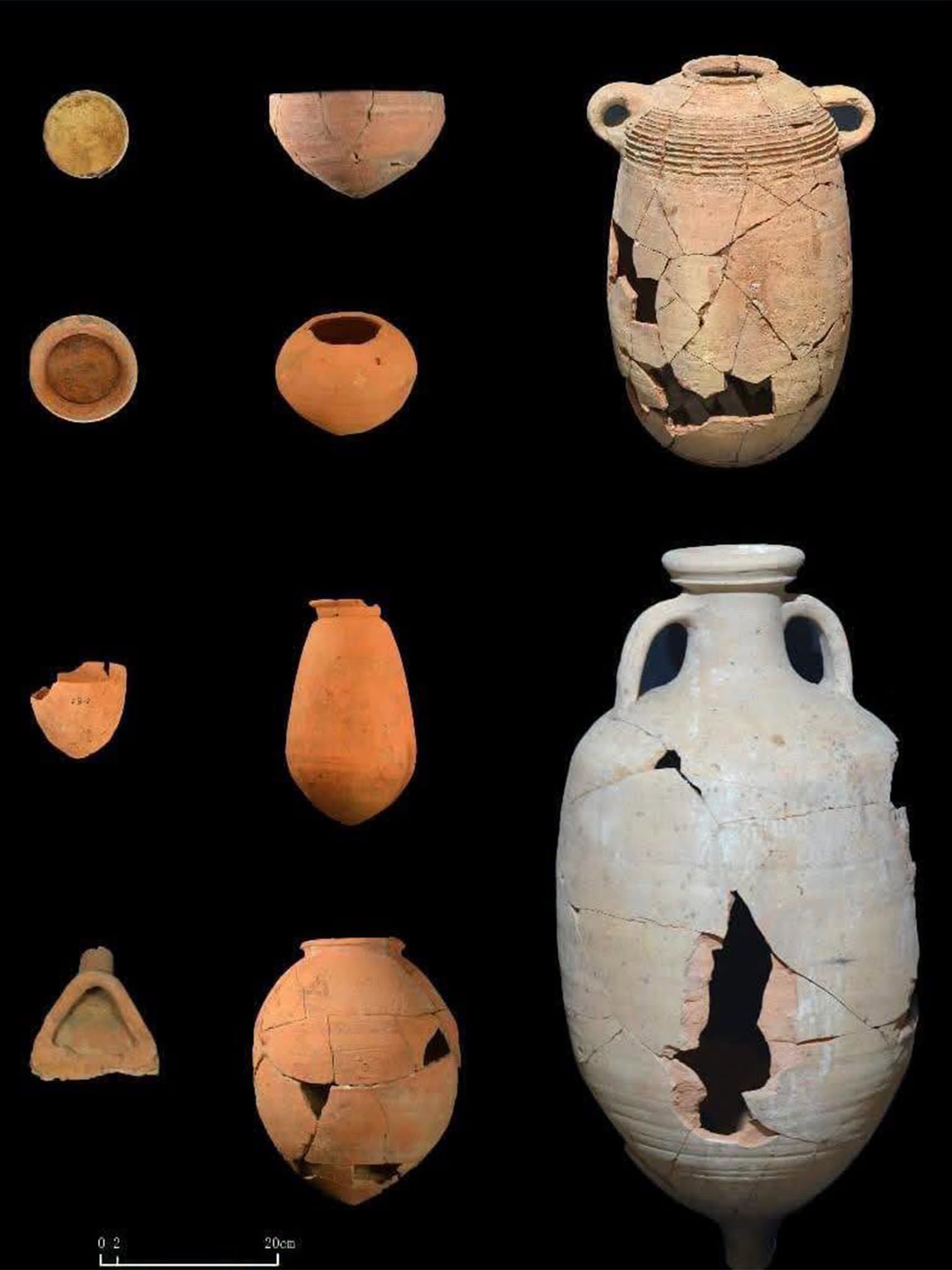
Wine production in ancient Egypt began with grape cultivation.
Grapes were harvested and processed before being placed into large vessels where fermentation could take place. Ancient Egyptian winemakers used large ceramic containers and other equipment associated with pressing, fermenting and storing wine.
The process can be broadly understood as:
♦ Growing and harvesting grapes
♦ Crushing the grapes to extract their juice
♦ Fermenting the juice in large vessels
♦ Storing the resulting wine
♦ Transporting wine for consumption, trade or religious ceremonies
Archaeological remains provide important clues about each stage of this process and demonstrate that wine production required specialized knowledge and organized agricultural activity.
Wine and Religion in Ancient Egypt
Wine was not simply an everyday drink.
It also played a role in ancient Egyptian religious ceremonies and offerings.
Wine could be presented to gods as part of temple rituals and funerary traditions. Tomb paintings frequently depict agricultural activities, including grape harvesting and wine production, giving researchers valuable visual evidence of ancient winemaking.
Wine was therefore connected to several aspects of Egyptian society:
♦ Religion and temple rituals
♦ Funerary ceremonies
♦ Royal and elite life
♦ Agriculture
♦ Trade and administration
♦ Social celebrations
This makes the study of ancient Egyptian wine much more than a story about an old beverage—it is a window into Egyptian society itself.
What Does the Memphis Discovery Tell Us?
The archaeological evidence connected with wine production in the Memphis region helps researchers understand how sophisticated ancient Egyptian food and beverage production could be.
Large-scale production required workers, agricultural resources, storage facilities and transportation networks.
It also suggests that wine production was part of a broader economic system in which agricultural products moved between rural areas, cities, temples and elite institutions.
The discovery therefore contributes to a wider understanding of daily life in ancient Memphis.
Ancient Egyptian Wine vs. Modern Wine
Ancient Egyptian wine was naturally different from modern commercial wine.
Winemakers did not have today's temperature-controlled fermentation systems, stainless-steel tanks or modern bottling technology. Instead, they relied on agricultural knowledge, clay vessels, environmental conditions and traditional techniques.
Archaeologists can study residue, pottery, grape remains and artistic representations to reconstruct aspects of these ancient techniques.
This scientific approach is helping researchers answer an intriguing question:
What did wine actually taste like in ancient Egypt?
While the exact flavor of every ancient wine cannot be reconstructed with certainty, archaeological evidence provides clues about the grapes, production methods and storage conditions used thousands of years ago.
Memphis and Saqqara: A Journey Through Ancient Egyptian Civilization
One of the best ways to understand this discovery is to explore the archaeological landscape where it was made.
The ancient Memphis area is closely connected to Saqqara, one of Egypt's most important archaeological sites.
Visitors can combine Memphis and Saqqara with a Cairo and Giza itinerary to experience several different chapters of Egyptian history in one journey.
From the monumental pyramids of Giza to the Step Pyramid of Djoser and the remains of ancient Memphis, the region provides an extraordinary introduction to the development of Egyptian civilization.
Why Archaeological Discoveries Like This Matter
Discoveries related to wine production demonstrate that ancient Egypt was not only a civilization of monumental architecture.
Behind the pyramids and temples was a complex society made up of farmers, craftsmen, priests, administrators, merchants and workers.
Studying something as simple as wine allows archaeologists to investigate:
♦ Ancient agriculture
♦ Food and beverage technology
♦ Trade networks
♦ Religious practices
♦ Social differences
♦ Daily life in ancient Egypt
Every new discovery helps build a more complete picture of the people who lived along the Nile thousands of years ago.
Experience Ancient Memphis with Narmer Tours
Travelers visiting Egypt can explore the fascinating history of Memphis and Saqqara as part of a private Cairo tour with Narmer Tours.
A professionally guided archaeological tour can combine Memphis and Saqqara with the Giza Pyramids and other major attractions, allowing visitors to see how the different sites fit into the wider history of ancient Egypt.
For history enthusiasts, archaeology lovers and travelers searching for unique things to do in Cairo, exploring Memphis and Saqqara offers an experience far beyond the traditional pyramid visit.
Frequently Asked Questions About Ancient Egyptian Wine
Did ancient Egyptians produce wine?
Yes. Archaeological discoveries, tomb paintings and ancient texts provide extensive evidence that wine was produced and consumed in ancient Egypt.
Where was wine produced in ancient Egypt?
Wine production occurred in several regions, particularly areas suitable for growing grapes. Archaeological evidence from the Memphis region contributes to our understanding of ancient Egyptian winemaking.
Why was wine important in ancient Egypt?
Wine was associated with elite consumption, religious offerings, funerary practices and social activities.
How did ancient Egyptians make wine?
They harvested grapes, crushed them to extract juice, allowed fermentation to occur and stored the wine in large ceramic vessels.
Can tourists visit ancient Memphis today?
Yes. The archaeological area of Memphis can be visited as part of Cairo and Saqqara tours and offers an important insight into ancient Egypt's political and cultural history.
Discover the Untold Stories of Ancient Egypt
The story of ancient Egyptian wine reminds us that Egypt's archaeological heritage extends far beyond pyramids and royal tombs.
Every jar, inscription, agricultural scene and archaeological discovery can reveal something about how ancient Egyptians lived, worked, worshipped and celebrated.
And for today's travelers, exploring Memphis, Saqqara and Cairo provides the opportunity to experience these stories where they actually happened—along the ancient landscape of the Nile Valley.
Book your Experience now:
🌐 Official Website
📧 info@narmertours.com
📞 WhatsApp:(+20) 01210136814
📱 Facebook | Instagram | TripAdvisor